Tobimar solution
Street lighting
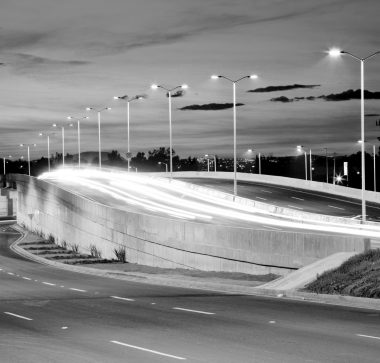
Public street lighting is a necessity in large cities as well as in towns and villages across the country. The main purpose of public street lighting is to provide the level of lighting corresponding to the European standards in force, namely SR13201 from 2015/2016.
TOBIMAR's team of specialists comes to the aid of public administrations with public street lighting services at the highest quality standards. Our team consists of experienced and accredited lighting and electrical professionals.
The main aspects that street lighting should tick:
- Light efficient;
- Optimize consumption and therefore costs;
- Protect the environment both during operation and after it is no longer in use;
- Reduce maintenance costs;
- Resistance over time;
- Improving road safety;
- Low electricity consumption;
- Improved visibility at night, improved sense of security among citizens;
Street lighting helps reduce accidents at night by improving visibility. It can reduce pedestrian accidents by about 70%. Street lighting helps people feel safe at night. Street lighting is needed along the road for safer, comfortable, convenient and efficient movement of vehicles at night.
A standard LED street light operates about 10 to 12 hours per day and the lifetime of the light source is about 100,000 hours of operation.
Today, street lights are being retrofitted with energy-efficient LEDs to improve their functionality.
Without adequate lighting, it is much more difficult for drivers to see potential road hazards, road signs, other drivers, pedestrians and cyclists. In addition, poor lighting can exacerbate certain hazards. Street lights should be placed in a way that is beneficial rather than harmful.
LEDs are energy-efficient because they emit very little heat, so they require much less energy to emit the same amount of light as their conventional equivalents. In comparison, incandescent bulbs give off 90% of their energy as heat, and fluorescent lights give off about 80% of their energy as heat.
LED street lights can help cities become more sustainable by reducing their carbon footprint through lower energy consumption. LED lighting systems can also be integrated with smart technologies to cut costs, save energy and make street lighting infrastructure more versatile, flexible and efficient.
Energy efficiency of LED street lights
LEDs are energy-efficient because they emit very little heat, so they require much less energy to emit the same amount of light as their conventional equivalents. In comparison, incandescent light bulbs give off 90% of their energy as heat and fluorescent lights give off about 80% of their energy as heat. LED lights are 50% to 70% more energy efficient than traditional lighting technologies.
Fewer emissions
One of the advantages of LED streetlights is lower energy consumption: LED streetlights generate fewer carbon emissions than their conventional equivalents.
Longer lifespan
Another benefit of LED street lights is longer lifespan: LED lighting products have a longer lifespan than conventional lights. For example, LED luminaires can last three to five times longer than fluorescent lamps and 30 times longer than incandescent lamps.
High color rendering
The high color rendering is close to natural light and presents colors more realistically. This helps drivers and pedestrians better identify objects at night, improving traffic safety and road conditions.
Quick start
LED lights take only tens of nanoseconds to turn on, there is no waiting time to restart and they can operate normally in a continuous on/off state.
Street lighting facilitates safer navigation and promotes a sense of security for people who work and live in the area. Here we discuss the six things you should know about street light poles before replacing or installing them.
- Column height
The street lighting pole must be the correct height to ensure adequate lighting density. In most cases, street pole heights range from 6 to 12 meters.
- Light consistency and installation intervals
Street lights are meant to illuminate the road for pedestrians, cyclists and drivers. However, if an area is well lit and the adjacent area is dark, it creates room for accidents as the eyes have to adjust. Street lights should be placed at constant intervals.
- The environment in which they are installed
You will need to pay attention to the area where the street lighting poles are installed. For example, in a coastal region, poles are susceptible to corrosion from salt water. You may therefore need poles and luminaires with a high degree of protection against salt corrosion.
- Light distribution
Although a street may be adequately illuminated as per SR13201 of 2015/2016, there are factors such as trees or tall buildings that could create dark areas. This defeats the purpose of installing street lights. It is vital to take such features into account when designing how the street lights are placed.
- Street lighting poles for aesthetics
Most city spaces today are defined by the quality of decorative lighting and street lighting columns. In the recent past, we have seen the emergence of decorative lighting columns that are used to highlight aesthetic elements such as statues, gardens and fountains. This street lighting concept has an exciting appeal and can aesthetically transform an otherwise boring city space.
- Street lighting maintenance
A standard LED street light operates approximately 10 to 12 hours per day, and the lifespan of LED street lights is about 100,000 hours of operation. As such, it is vital to replace lighting fixtures equipped with conventional light sources with LED light source fixtures for more efficient lighting. Also, the poles used should be sized according to the luminaire mounted on it.

Established partners
STRAKE
GEWISS
PHILIPS
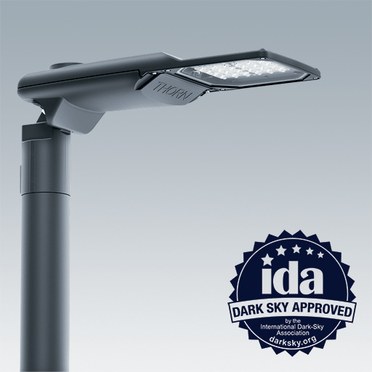
THORN
Remote management and monitoring system for street lighting
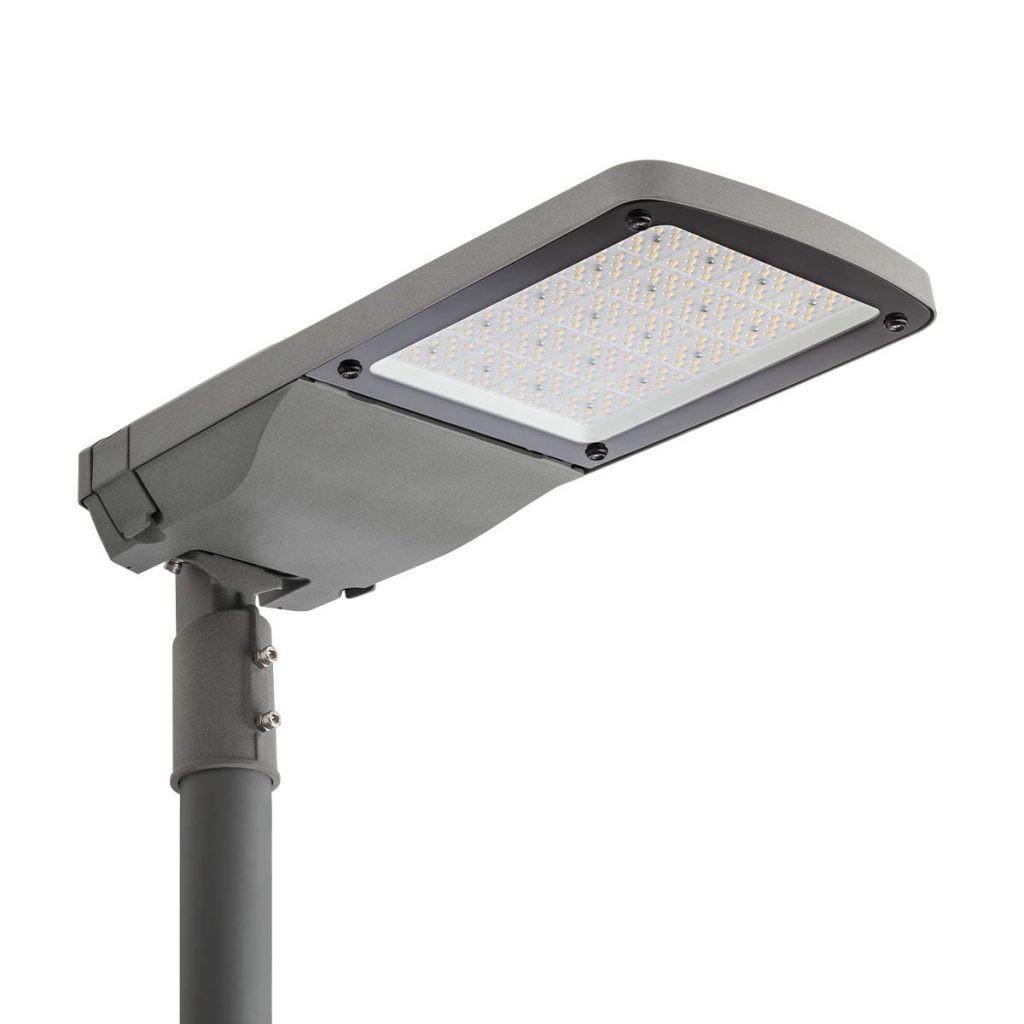
The Olimp street luminaire from Starke completes the offer for street lighting. The new range has been designed to provide better lighting performance, simplify installation and maintenance of lighting devices and promote maximum energy savings. OLIMP is the ideal solution for all types of street lighting, at intersections, large outdoor areas and parking lots, for both new and existing installations.
One of the solutions available to improve our lives and at the same time preserve and preserve the environment is the smart adoption of light management systems on public roads and streets by installing Starke’s remotely controlled street lighting.
STREET range [O3] LED street lighting system
We bring lighting quality to the forefront, creating lighting systems designed for all spaces and environments. Gewiss lighting solutions are characterized by our extensive experience in the lighting sector, the most advanced LED technologies on the market and the finest expression of Italian design. The perfect blend of quality, beauty, efficiency and energy saving.
Street [O3] is an innovative line of street lighting products for illuminating public and private roads, large outdoor areas and parking lots. Modular LED elements and a variety of optical components provide different illumination levels to meet every design need. The [O3] Optical Output Optimize technology offers excellent versatility and guarantees high luminaire performance results.
Redefining the standard in street lighting
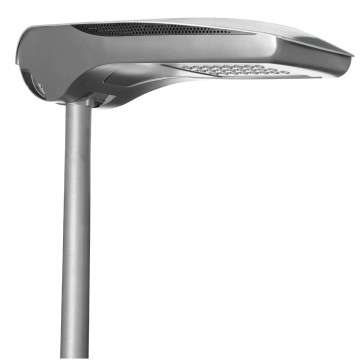
Luma gen2 is the next generation of LED luminaires in the Luma family, fully optimized to become your long-term lighting and innovation partner. While retaining the distinctive design features of the first generation, the Luma gen2 gives you the benefits of the latest technologies thanks to its future-ready System Ready architecture and the use of the optimized Ledgine LED and optical platform, providing best-in-class lighting performance for a wide range of applications. It also offers improved maintenance. Installation has also become easier and faster. Thanks to the Service Tag, you have access to all relevant documentation on the spot. In addition, the cable connection system has been redesigned and access to the equipment components is easy thanks to tool-free access through the top.
The Luma gen2 also offers all the connectivity and dimming options available today and, thanks to System Ready compatibility, it can be paired with lighting management systems such as Interact City or existing and future sensor innovations. Luma gen2 has been developed to optimize and simplify maintenance and spare parts repair thanks to the new plug & play GearFlex module, which contains all electrical components in an easy to handle and access box inside the housing.
As a company aware of the impact of light on the environment and biodiversity, we have also equipped the Luma gen2 with dedicated lighting optics (called light recipes) that help maintain optimal ecosystems for bats and/or keep the night sky dark (by controlling light pollution).
A controlled lighting solution
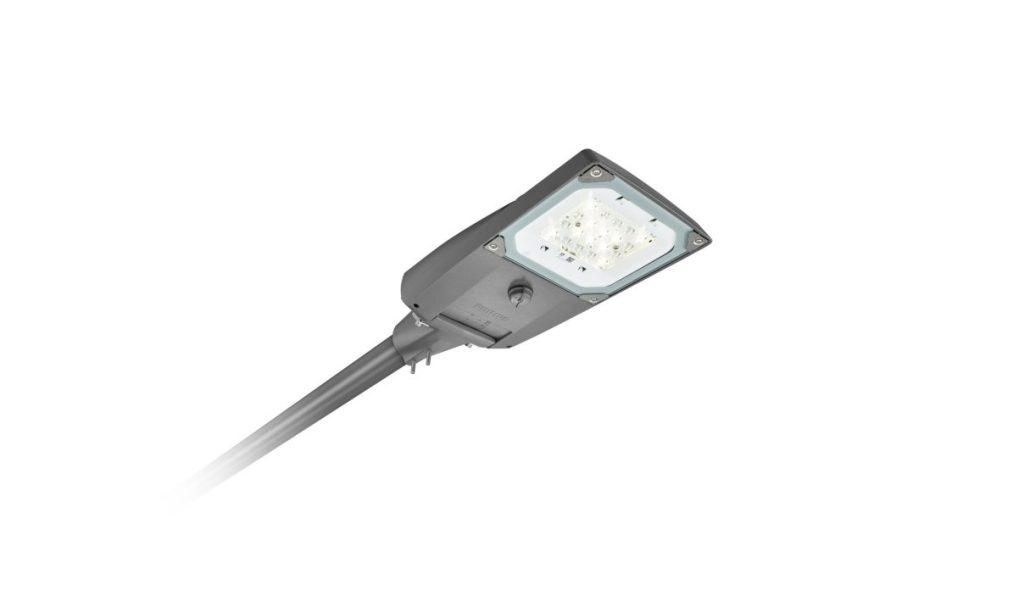
Thorn ‘s rigorous focus on functionality needs and return on investment has resulted in an easy to understand and maintain LED luminaire that offers performance and durability, thanks to its high quality aluminum.
Benefits
public street lighting
Increase public safety and security
Low energy consumption
High durability
Low maintenance costs
Why TOBIMAR for street lighting?
- Modern equipment
- We have ANRE certificate.
- Prompt
- Professionalism
Public lighting service is part of community public utility services and comprises all actions and activities of public utility and of general economic and social interest carried out at the level of administrative-territorial units, under the direction, coordination and responsibility of local public administration authorities, in order to ensure public lighting.
It covers road, pedestrian, architectural and ornamental lighting in communes, towns, cities and municipalities.
- Street-road lighting:
– road lighting;
– illumination of pavements and areas adjacent to roads;
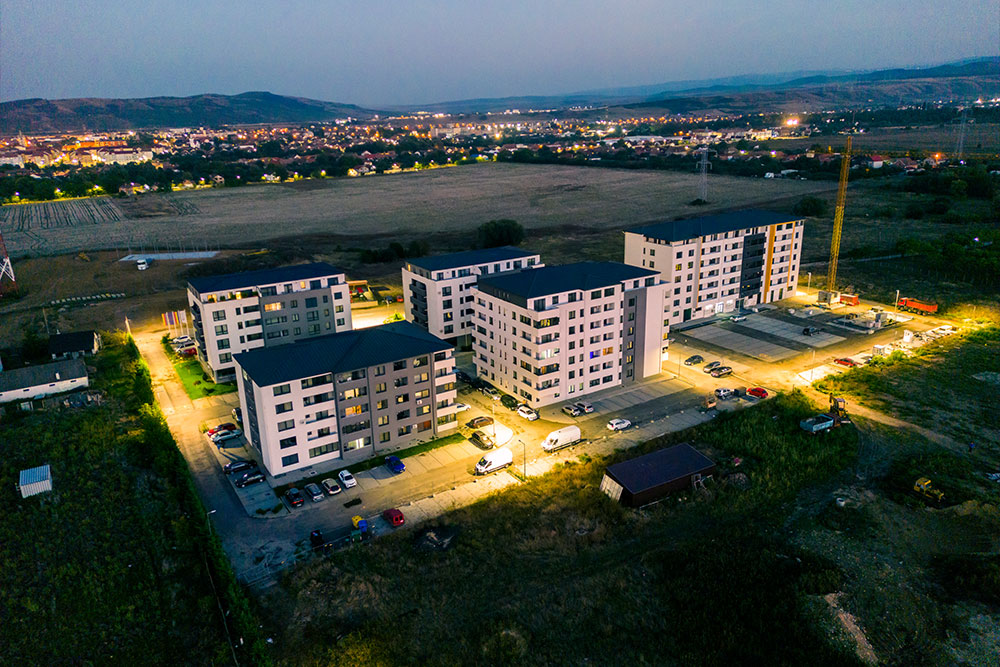
– illumination of parking lots;
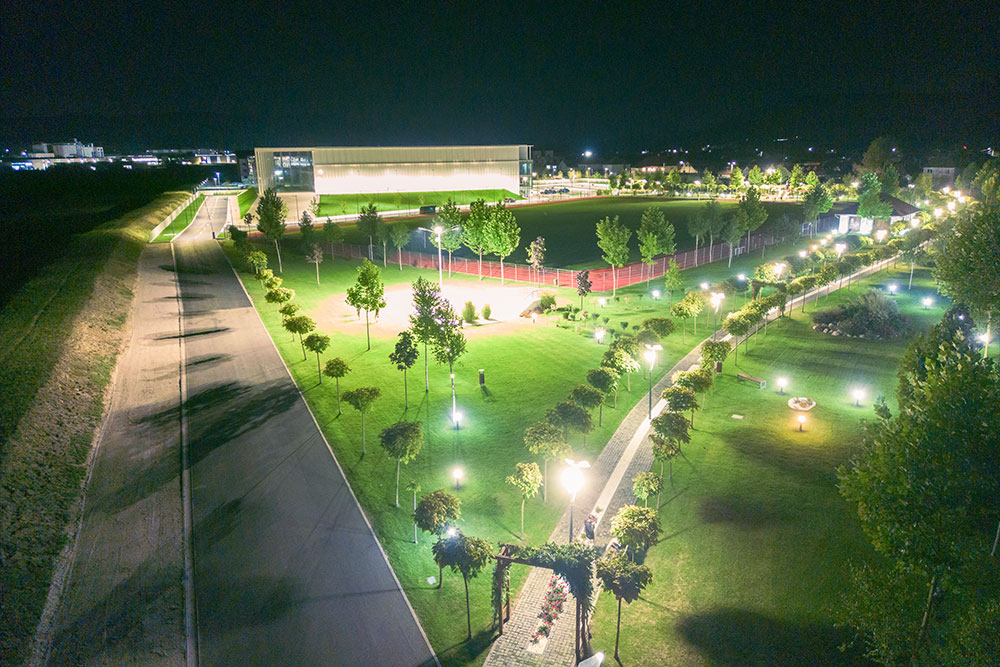
– illumination of parks;
– illumination of bridges, pedestrian crossings, passages and footbridges;
– public lighting of stadiums, sports grounds and complexes;
– public outdoor lighting of all public buildings and institutions - Street-pedestrian lighting;
- Architectural lighting;
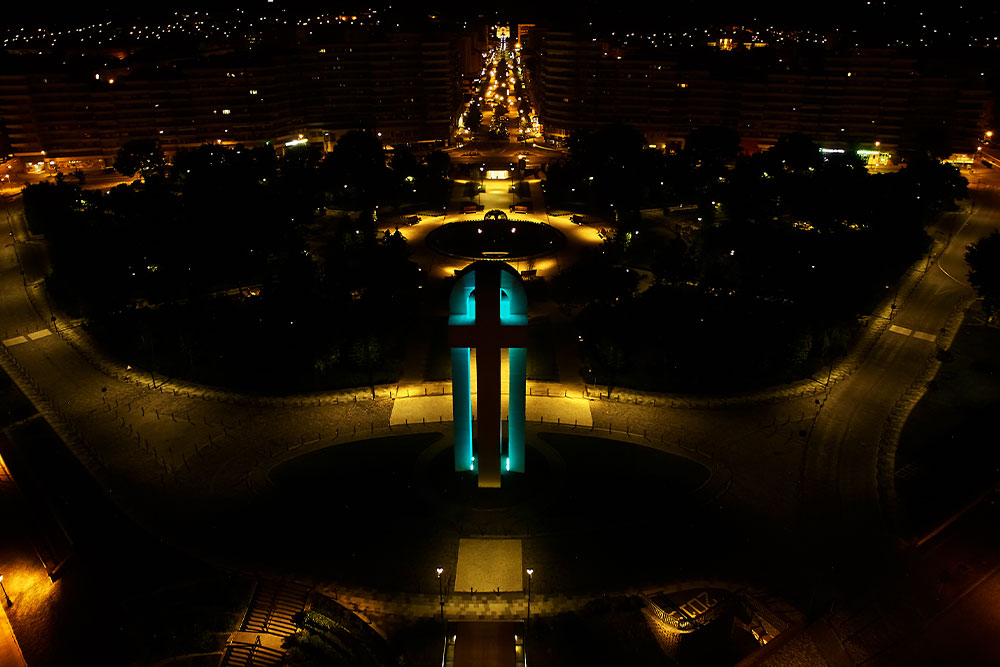
- Ornamental lighting;
- Ornamental-festival lighting.
projects
Sports Lighting
Sports projects page.
Residential Lighting
Residential projects page.
Public Projects
Public projects page.
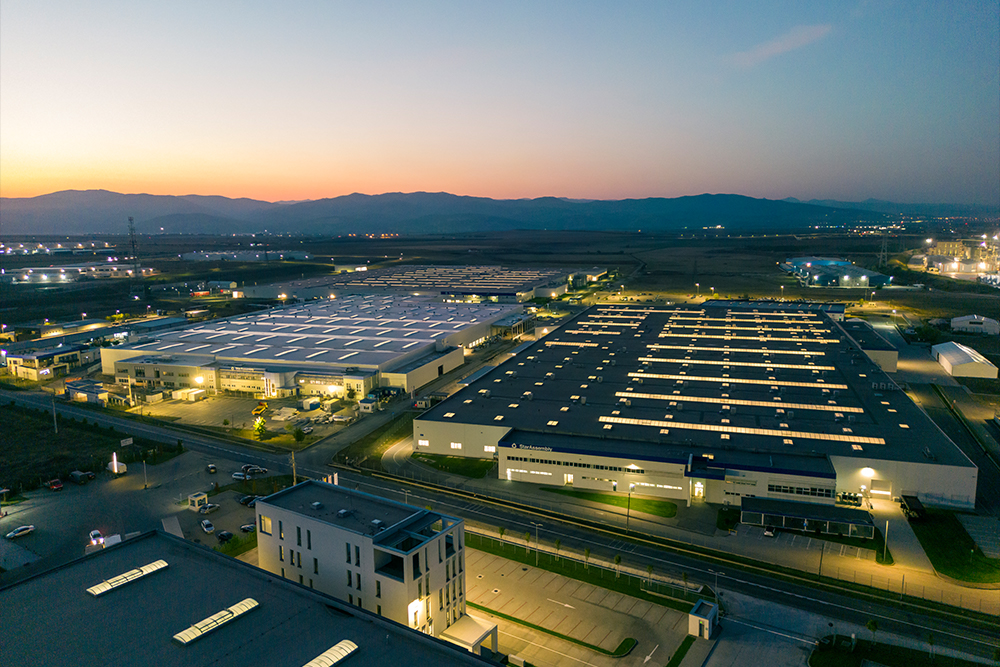
Industrial Lighting
Industrial projects page.
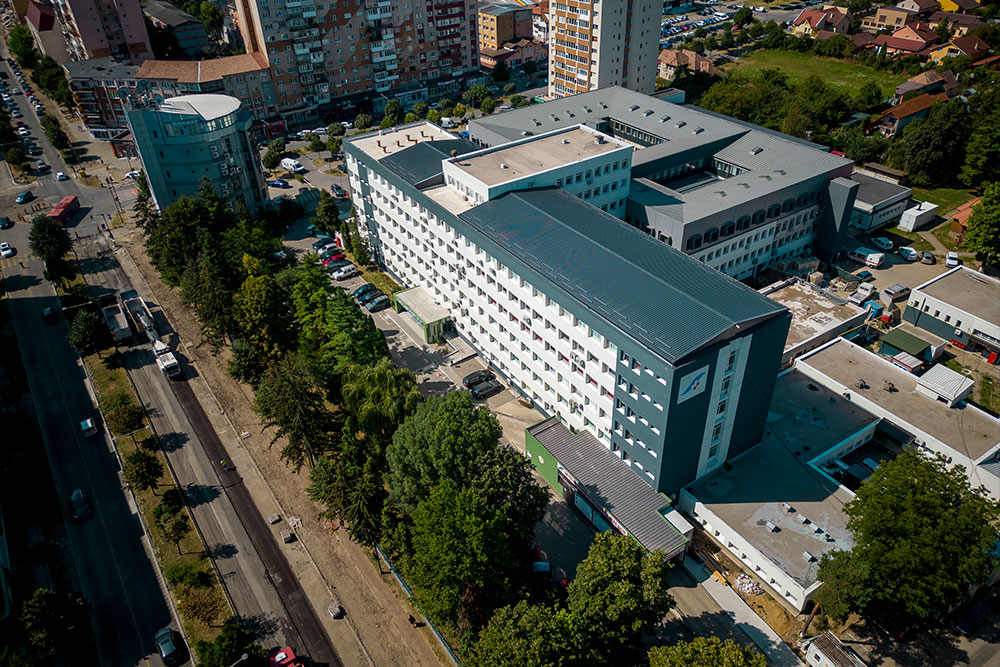
Hospital lighting
Hospital lighting projects page.
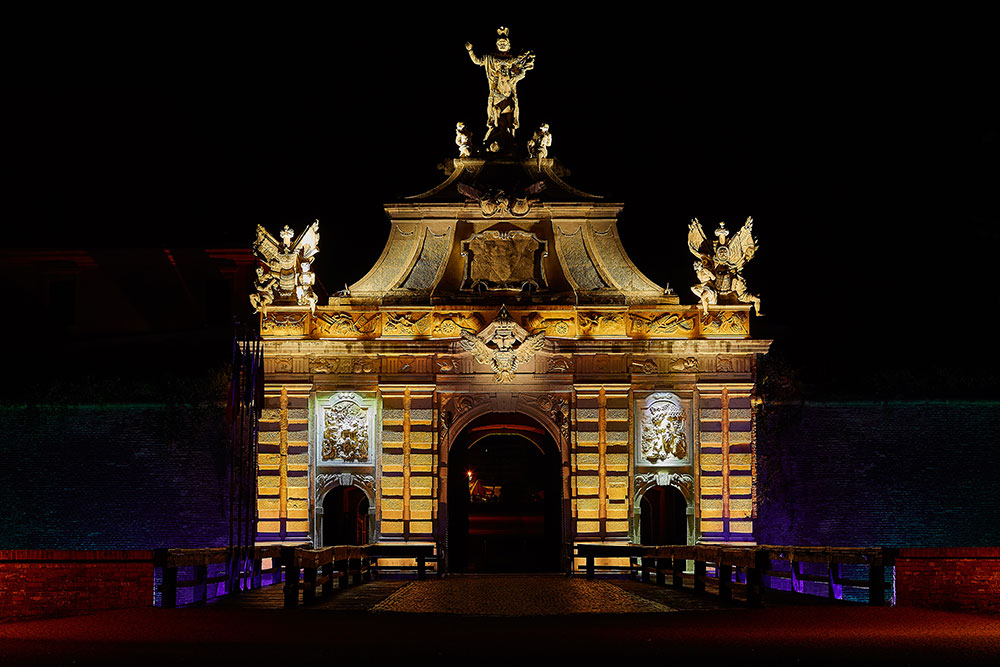
Architectural Lighting
Page with outstanding architectural and historical projects.